Propane Safety: Don’t Wait. Take Action Immediately.
May 01, 2026
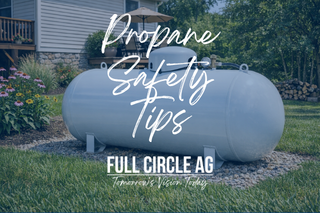
As warmer weather arrives and mowing, digging, and fieldwork begin, propane safety becomes especially important for homeowners, businesses, and farms. Propane is a safe and efficient fuel when handled properly, but leaks or damaged equipment require immediate attention. Knowing what to look for, and how to respond, can help prevent serious accidents.
One of the most important propane safety rules is simple: If you smell it, call us immediately. Don’t wait. Propane has a strong “rotten egg” odor added so leaks are easy to detect. Even if the smell seems faint or comes and goes, it should never be ignored. If you suspect a leak, shut off your propane tank if you can do so safely, leave the area right away, and call from a safe distance. Do not smoke, light matches, start vehicles, or turn electrical switches on or off near the area, as even a small spark can be dangerous.
Now that it’s mowing season, please be careful around propane lines. Check to make sure you know where they are and if you break it, call us immediately. Propane lines, regulators, and risers can be damaged by lawn mowers, trimmers, tillage equipment, or vehicles. Before mowing, digging, or doing any groundwork, take time to identify where tanks and lines are located and keep a safe distance.
If a line is struck, cut, or pulled loose, do not try to fix it yourself. Only turn off the propane tank if it’s safe to do so, then get away from the area and call us immediately.
Homeowners should also be mindful of everyday propane safety. Keep tanks, regulators, and vents clear of tall grass, debris, or other obstructions. Never store flammable items near propane appliances or tanks. Make sure propane appliances are serviced by qualified professionals and install propane gas detectors and carbon monoxide detectors in your home for added protection.
For businesses, propane safety includes regular employee training and clear emergency procedures. Staff should know how to recognize the odor of propane and understand what steps to take if a leak is suspected. Tank locations should be clearly marked, protected from vehicle traffic, and kept free of clutter. Emergency contact information should be posted and easy to find.
On farms and rural properties, propane is commonly used for grain dryers, livestock operations, heating, and equipment. Tanks and lines are often located near field edges, fence lines, or outbuildings. Marking these locations clearly and communicating them to equipment operators can help prevent accidental damage. Never move, modify, or attempt to repair propane equipment without professional assistance.
The bottom line is simple: Propane is safe when managed properly, but leaks are serious and require immediate action. If something doesn’t look right, smell right, or feel right, don’t wait. Only turn off the propane tank if it's safe to do so and then leave the area and call immediately. A quick call can prevent injuries, property damage, and costly repairs. Let’s all do our part to help keep everyone safe throughout the season.
At Full Circle Ag, our mission is to be our customer's first choice for industry-leading resources and knowledge.